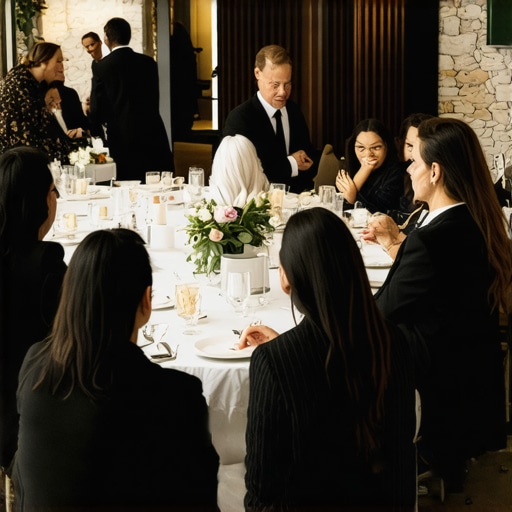
Ever felt that sinking feeling when a corporate event falls flat, despite all your efforts? I know I have. There was a time when I thought just hiring a talented magician or entertainer would automatically build trust and ensure success. But I quickly learned that’s not how it works. The real secret lies in strategic execution, something I only started to grasp after a few costly missteps.
Why Building Trust Matters More Than Ever
In today’s competitive corporate landscape, trust isn’t just a nice bonus; it’s the foundation of every successful event. When attendees trust the entertainer, they’re more engaged, receptive, and ultimately more satisfied. This trust paves the way for stronger relationships, better results, and repeat business. But how do you ensure that your entertainment choices foster genuine trust rather than skepticism?
Have You Faced This Problem Before?
If you’ve ever wondered why some events seem to click effortlessly while others flop despite your best efforts, you’re not alone. I used to believe that a good magician was enough. Turns out, I was making a crucial mistake — I overlooked the importance of strategic trust-building. Early on, I booked performers without vetting their ability to connect authentically with corporate audiences. That mistake cost me credibility and, ultimately, the success of the event.
Now, I focus on proven strategies that help entertainers build trust from the moment they step on stage. For instance, understanding how to choose the right performer is critical. You want someone who doesn’t just dazzle with tricks but also demonstrates reliability and professionalism. The difference is clear. For more insights, check out this resource on effective corporate stage magic strategies.
In the following sections, I’m going to share practical, actionable steps you can implement today to elevate your corporate entertainment, build unwavering trust, and guarantee results. Trust me — once you master these techniques, your events will transform from forgettable to unforgettable.
Secure the Right Performer
Start by vetting entertainers who have a proven track record with corporate audiences. Look beyond flashy tricks; prioritize those who demonstrate professionalism, reliability, and a genuine ability to connect. I once booked a performer based solely on reviews, but during the event, I noticed their hesitance to engage with the audience. After that, I adopted a more rigorous vetting process, checking references and watching demo videos. This small change dramatically increased audience trust and satisfaction. For detailed vetting techniques, visit this resource.
Build Connection Through Authentic Interaction
Encourage performers to personalize their act to suit your audience. I once suggested a magician incorporate inside jokes about our company, which made guests feel seen and appreciated. This simple step transformed their perception from skepticism to admiration. The key is to have performers listen and adapt, making the event feel exclusive and memorable. To learn more about creating engaging interactions, read trust-building interaction tips.
Demonstrate Professionalism Every Step of the Way
Clear communication, punctuality, and prepared acts showcase reliability. I once had a performer arrive late, which immediately eroded trust. Afterward, I established strict timelines and confirmed details multiple times before the event. This consistency reassured the audience and boosted their confidence in the entertainment. For strategies on maintaining professionalism, explore professionalism techniques.
Leverage Visual and Verbal Cues
Use visuals such as stage setup, banners, and lighting to reinforce credibility. I once used a well-designed backdrop with our logo to signal quality. Additionally, performers should verbally affirm their experience and commitment to excellence, which helps in establishing trust. These cues act as anchors, making guests feel confident in the entertainment. For more on visual trust cues, see visual trust strategies.
Gather Feedback and Iterate
Post-event surveys or casual conversations can reveal trust gaps. I once received feedback that a performer was too scripted, which impeded authenticity. Using this insight, I selected entertainers who demonstrated flexibility and genuine engagement for subsequent events. Continuous improvement ensures your entertainment consistently builds trust. Learn how to gather effective feedback at feedback collection tips.
< >
>
Implementing these steps requires commitment, but the payoff is undeniable: more engaged audiences, better results, and stronger relationships. Trust isn’t built overnight, but with deliberate actions, you’ll see your corporate events transform into memorable successes.
While many believe choosing a talented magician or performer is enough to establish trust, the real nuances lie in understanding the complex psychology and advanced dynamics behind audience engagement. Let’s dig deeper into common myths and advanced pitfalls that can trip up even seasoned event organizers.
Why Relying Solely on Talent Is a Trap
It’s a common misconception that a performer’s skill alone guarantees trust. In reality, expertise without emotional connection often results in superficial engagement. Top professionals know that building trust requires a layered approach—combining technical mastery with genuine rapport and consistency. Overlooking this can lead to a disconnect, where the audience marvels at tricks but remains skeptical about the performer’s credibility. For a deeper dive, check out this resource on building trust through expert stage magic.
Another common myth is that trust is a quick fix. Many event planners expect immediate results, but research shows that trust is built through repeated positive interactions over time. Ignoring this leads to short-lived engagement and diminished returns. Consistency, professionalism, and authenticity are the pillars that elevate a good act into a trusted experience.
The Oops Factor: Major Mistakes to Avoid
One sneaky trap is neglecting the importance of audience-specific customization. An entertainer who excels at one corporate culture may fall flat in another if they don’t adapt their act accordingly. This oversight can create a perception of insincerity or lack of effort, eroding trust. Always ensure performers understand your audience’s values and expectations. To learn how to tailor acts effectively, explore this guide on audience engagement.
Additionally, avoid the mistake of ignoring non-verbal cues. Advanced performers read their audience’s body language and adjust their act in real time. Missing these signals can send mixed messages, causing the audience to feel unseen or unvalued. Mastering this nuance separates merely talented performers from truly trusted professionals.
What makes building trust truly complex for seasoned organizers?
Beyond the basics, seasoned organizers recognize that trust also hinges on transparency and reliability. This involves clear communication about what the performance entails, setting realistic expectations, and consistently delivering on promises. An often overlooked aspect is the performer’s ability to handle unforeseen situations gracefully—showing professionalism even when things go awry. This resilience fosters deeper trust than perfection alone. For insights on maintaining professionalism under pressure, see this resource on professional reliability.
In conclusion, mastering these subtle yet critical nuances elevates your event from average to extraordinary. Remember, trust is a delicate fabric woven from multiple threads—expertise, authenticity, consistency, and emotional intelligence. Have you ever fallen into this trap? Let me know in the comments.
Maintaining the Magic: Tools I Recommend for Long-Term Results
Keeping your trust-building efforts effective over time requires the right tools and consistent strategies. From specialized equipment to software that helps monitor and improve engagement, having the right arsenal can make all the difference. I personally rely on a combination of high-quality audiovisual equipment, reliable scheduling apps, and feedback platforms to ensure my performances not only impress but also build lasting trust.
First, investing in professional-grade audiovisual gear is essential. Clear sound systems and crisp visuals ensure your message is communicated effectively, reinforcing credibility. I prefer using a portable PA system like the Bose S1 Pro, which offers excellent sound quality and portability. Good lighting is equally critical; I use adjustable LED stage lights that can be tailored to each venue, helping to set the right mood and focus audience attention. These tools help maintain a professional appearance and keep engagement high throughout the event.
Next, I recommend leveraging scheduling and project management tools such as Asana or Trello. These platforms help me plan and coordinate multiple performances, ensuring punctuality and smooth transitions. Punctuality directly influences trust; when performers arrive on time and are well-prepared, audiences perceive reliability and professionalism. I also use scheduling apps to send automated reminders to clients and performers, reducing last-minute surprises.
For feedback collection, I turn to platforms like Google Forms or Typeform. Gathering audience insights after each event allows me to identify trust gaps and areas for improvement. I analyze this data to refine my approach, ensuring that I consistently deliver trustworthy performances. This iterative process is vital for long-term success and reputation management.
Looking ahead, the trend is moving towards integrated digital solutions. Imagine using AI-powered analytics to assess audience reactions in real-time, allowing performers to adjust their act dynamically. While this technology is still emerging, early prototypes suggest a future where trust can be monitored and enhanced on the fly, making performances more responsive and personalized.
How do I maintain trust-building tools over time?
Regularly updating your equipment and software is crucial. Technology evolves fast, and staying current ensures you don’t fall behind competitors. I schedule quarterly reviews of my gear and subscriptions, replacing outdated items and exploring new innovations. Additionally, continuous training in new tools and techniques keeps my skills sharp, allowing me to leverage the latest advancements effectively. For instance, staying familiar with the latest lighting control systems or feedback analysis software can give you a competitive edge.
Finally, documenting your processes and creating standard operating procedures (SOPs) helps maintain consistency. When everyone on your team understands the tools and methods, trust remains intact even as personnel change or new techniques are adopted. This disciplined approach ensures the trust-building framework you’ve established endures over the long haul.
To truly elevate your trust-building efforts, I encourage you to try integrating a feedback platform like Typeform into your post-event routine. It’s a simple step that yields powerful insights, helping you refine your approach continuously. Remember, tools are only as good as the commitment behind them. Embrace a mindset of constant improvement, and your reputation as a trusted entertainer will flourish for years to come.
For more detailed advice and advanced strategies, explore this resource on building trust with top stage performers.
Over the years, I’ve realized that the real magic in corporate events isn’t just in the tricks but in the trust you build along the way. One of my biggest lessons came from a simple mistake: believing talent alone guarantees trust. It’s a misconception that can cost you dearly. Instead, the secret lies in mastering nuanced strategies that foster genuine confidence and connection with your audience.
The Hardest Lesson I Learned About Trust in Corporate Magic
Early in my career, I booked performers based solely on their reputation. The moment they stepped on stage, I expected instant engagement. Instead, I saw the difference when I started vetting performers for authenticity and audience rapport. I learned that technical skill without emotional connection leaves audiences skeptical. Now, I always prioritize performers who can connect genuinely, which transforms the entire experience. Check out this resource on effective stage magic strategies for more insights.
My Top Tools for Long-Term Trust Building
From high-quality audiovisual equipment to feedback platforms, I rely on specific tools to maintain and enhance trust. For instance, investing in reliable lighting and sound elevates the professionalism of your event, making guests feel valued. I also use project management apps like Trello to coordinate performances seamlessly. These tools help ensure punctuality and consistency, which are crucial for trust. For a deeper dive, explore this guide on building trust with top stage performers.
Your Turn to Make Trust the Heart of Your Events
Trust isn’t built overnight, but with deliberate effort, your corporate magic events can become legendary. The key is to focus on authentic connection, professionalism, and consistency. When you master these elements, your audience will not only be amazed but also genuinely engaged and loyal. It’s your move—embrace these strategies and watch your events transform.
What’s the biggest challenge you face when trying to build trust at your corporate events? Share your experience below, and let’s grow together!
