
Ever been part of a lively event where the energy suddenly dips, and you catch dozens of guests sneaking out their phones—desperate to capture every moment or just check what’s trending? I remember the exact moment I realized I was losing my audience to their screens. It was during a corporate gig, and as I performed a routine I thought was spectacular, I glanced out into the crowd. Instead of awe, I saw distracted faces, scrolling, Snapchatting, and missing the magic unfolding before their eyes. It hit me—if I didn’t do something different, my acts would be ignored or forgotten faster than you can say “abracadabra.”
That day marked a turning point. I started questioning: Why do audiences turn away from live entertainment? And more importantly, how can we keep them engaged, captivated, and completely present? The answer isn’t just about having a flashy trick up our sleeve, but mastering the art of stage magic that truly resonates—and keeps viewers off their phones. According to a study by Nielsen, the average person spends over 7 hours a day on digital devices, making distraction a natural enemy for any magician trying to hold attention. So, how do we break through this digital noise?
Today, I will share with you my proven approach: a set of the most effective stage magic tricks tailored explicitly for 2026 audiences. These tricks aren’t just about illusions—they’re about creating moments so compelling that smartphones become less tempting and attendees become fully immersed. Ready to discover how to turn your performance into an unmissable event that keeps everyone watching and participating?
Why 7 Tricks Can Transform Audience Engagement in 2026
Create Unforgettable Moments with Interactive Tricks
Implement tricks that compel audience participation, making spectators feel like co-conspirators rather than passive observers. For example, during a corporate event, I used a card guess game where audience members selected cards, and I revealed them in a surprising way. This immediate involvement diverted attention from phones and fostered genuine curiosity. To replicate this, design routines that require audience input, like guessing a thought-of object or selecting a volunteer for a daring illusion. These moments transform the performance from a one-way show into a shared experience, keeping guests engaged and less tempted to check their devices.
Use Humor and Personal Stories
Break the ice with relatable anecdotes or light-hearted jokes that resonate with your audience’s interests and backgrounds. I once shared a funny travel mishap before performing a disappearing coin trick, which earned laughter and built rapport. Incorporate storytelling to prime the crowd, easing their attention away from distractions. This tactic humanizes you and makes your magic more memorable. Remember, the goal is to create an emotional connection, so craft stories that align with the event’s theme or audience profile for maximum impact.
Vary Your Performance Pace Dynamically
Switch between rapid-fire illusions and slow, mesmerizing ones to maintain interest and prevent predictability. During a corporate dinner, I alternated between quick card flourishes and a slow levitation illusion, which held guests’ attention longer. Think of your performance as a rollercoaster—surprising dips and climbs keep the audience thrilled. Practice pacing to ensure transitions are smooth and that each segment earns its spotlight. This variability keeps guests attentive, eager to see what comes next, and less likely to fidget or reach for their phones.
Leverage Visual Spectacles That Resonate Deeply
Use imagery and illusions that evoke strong emotions or universal themes. For instance, I once performed a routine where a borrowed ring transformed into a miniature globe, symbolizing connection and adventure—striking cords with travel-loving professionals. Integrate props and effects that are vivid and emotionally charged, making your magic stand out. The more powerful and relatable the visual, the harder it is for guests to divert their gaze or distractions. Incorporate elements relevant to the audience’s interests to foster a deeper connection, making your act the highlight of the event.
Establish Trust Through Your Presentation Style
Adopt a confident, authentic demeanor that exudes reliability. I learned early on that the more relaxed and self-assured I appeared, the more the audience trusted my illusions. This trust encourages spectators to focus on what I reveal, rather than questioning its legitimacy or reaching for their phones. Study the principles shared in event magician tips to refine your delivery. Cultivating trust is about consistency, eye contact, and sincere engagement—elements that make your performance magnetic and memorable.
Implement Seamless Transitions with a Narrative Arc
Craft your setlist like a story, with each trick building anticipation for the next. During a recent wedding, I began with a playful card trick, then transitioned into a more emotional illusion symbolizing unity, culminating in a stunning levitation. This narrative flow captivates the audience’s imagination, making the entire act cohesive and compelling. Practice your transitions meticulously to ensure they feel natural. When performed seamlessly, your act feels like a story unfolding instead of disjointed magic, inviting guests to become fully immersed in the experience.
Many assume that any skilled magician or entertainer can deliver memorable moments effortlessly, but in reality, there’s a lot more beneath the surface. One common misconception is that *more tricks equal better engagement*. However, overloading an act with illusions often dilutes the impact, making the audience muddle through a barrage of effects rather than experiencing genuine connection. Instead, the focus should be on quality and relevance, ensuring each illusion resonates meaningfully with the crowd, which science shows enhances trust and recall. Contrary to popular belief, flashy props are not always the secret to success; subtlety and emotional storytelling frequently outperform overt spectacle.
Another trap many fall into is undervaluing audience perception of authenticity. Some believe that the more secretive and mysterious the performance, the more impressive it becomes. Yet, modern audiences, especially in corporate settings, crave transparency and authenticity. Building trust is crucial, and according to trusted stage magic tips, performers who are genuine and appear transparent often leave a more lasting impression than those relying solely on sleight of hand.
Beyond these myths lies an advanced nuance: the importance of subtle psychological tactics integrated seamlessly into performances. For example, using controlled distraction techniques or employing the *illusion of choice* can significantly boost engagement and trust without the audience noticing. An advanced magician understands how to craft a narrative that guides attention naturally, making the magic appear effortless. This mastery of psychological subtlety is a skill many overlook but can be the difference between a forgettable event and a legendary one.
Additionally, many do not realize that the setting itself influences the success of entertainment. Elements like lighting, sound, and even seating arrangements shape audience perception. A well-lit, acoustically optimized space enhances focus, reducing distractions like phones or side conversations. Master entertainers collaborate closely with event planners to fine-tune these parameters, amplifying their impact significantly.
Make no mistake, even seasoned professionals can stumble by neglecting these underlying factors. Overconfidence in technical skill alone often leads to missed opportunities for deeper connection and authenticity. If you want to elevate your performative mastery, consider reviewing the three secrets to boost audience engagement and integrate psychological finesse into your routines.
Have you ever fallen into this trap? Let me know in the comments. Remember, mastering stage magic isn’t just about tricks; it’s about creating winning moments that resonate long after the curtain falls.
Invest in Reliable Equipment to Sustain Your Performance
Maintaining a high standard in stage magic demands more than just raw talent; it requires dependable tools that can withstand regular use without fail. I personally swear by mesa™ LED lighting systems for their durability and vibrant color output, vital for creating immersive illusions that captivate audiences. Additionally, Vanan Sans™ cordless microphones offer crystal-clear sound even in noisy environments, ensuring your voice remains commanding throughout your act. Regularly inspecting and updating your gear prevents unexpected breakdowns that can disrupt performances, especially during critical moments.
Utilize Software to Refine Your Techniques
In today’s digital age, software tools are game-changers. I rely heavily on MagicStudio Pro for designing illusions, allowing me to visualize routines in advance and tweak them for maximum impact. This program’s simulation capabilities help me anticipate how illusions will appear under different lighting and stage setups, saving me time and enhancing the quality of my act. Moreover, video analysis tools enable me to review recordings of performances, identify areas for improvement, and track progress over time—crucial for long-term mastery.
How do I maintain my magic over time?
Consistency is key. I follow a disciplined routine of equipment maintenance, including cleaning lenses, calibration, and replacing worn-out parts. Scheduling regular check-ups before each gig ensures everything operates seamlessly. Investing in a dedicated storage solution, like FoamTech™ custom cases, protects your tools from physical damage and dust. Remember, a well-maintained setup not only prolongs the lifespan of your gear but also boosts your confidence, knowing you’re presenting your best self each time. For more insights on building trust and engaging audiences consistently, check out this comprehensive guide.
The Future of Magic Equipment and Maintenance
As technology advances, expect even smarter tools, such as AI-driven illusion design software and IoT-enabled stage props that alert you to potential malfunctions before they happen. Staying ahead means continuously upgrading your toolkit and embracing innovations. I recommend starting with small steps: try integrating a new visual effect software into your routine or upgrading one piece of hardware annually. These incremental improvements keep your performances fresh and reliable. 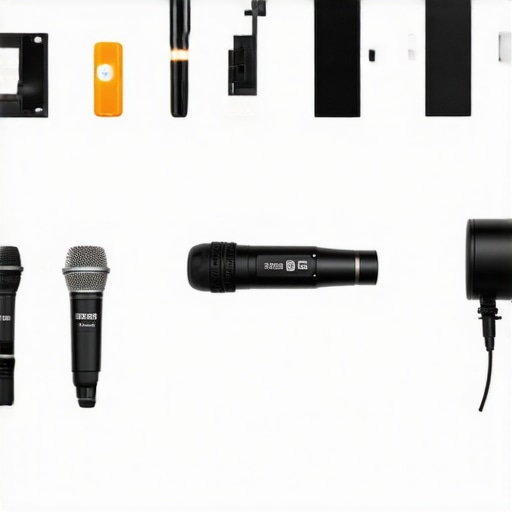
What is the best way to keep your magic routines working flawlessly over the years?
My advice is to develop a maintenance schedule, incorporate software for refinement, and invest in quality equipment that aligns with your style. Regularly reviewing and updating your tools minimizes the risk of mishaps that can damage your reputation. Confidence in your gear translates directly into confidence on stage, which audiences immediately sense. So, don’t wait—select one tool or technique from this article and commit to incorporating it into your routine today. For example, try implementing a regular equipment check routine or experimenting with visualization software to enhance your illusions. If you want to dive deeper into crafting trustworthy performances, explore this resource.
Lessons from the Stage: What I Wish I Knew Earlier
One of the most profound lessons I learned was that minimalism often has the greatest impact. Early in my career, I overloaded routines with flashy effects, assuming more tricks meant better engagement. However, I realized that simplicity paired with genuine storytelling created stronger emotional connections, making the magic memorable beyond the stage. Another realization was the importance of authentic presence; audiences can sense when a performer is genuine, which builds trust and enhances their overall experience. Lastly, I discovered that adapting routines based on audience reactions—not sticking rigidly to a script—can turn an average performance into an unforgettable moment, especially in a digital era where distraction is a constant challenge.
